


Many people experience health problems in the anal area, including symptoms of an anal pilonidal cyst, which cause significant discomfort and affect daily life. This cyst forms when hair and dead skin accumulate near the anus, leading to inflammation and painful discharge. Recognizing these symptoms early is essential for receiving the right treatment and avoiding complications.
What Is an Anal Pilonidal Cyst?
An anal pilonidal cyst is an abnormal hair accumulation beneath the skin in the anal area. This condition often results in inflammation and pain. The cyst forms when trapped hair becomes embedded in the skin. In some cases, it may develop into an abscess filled with pus, increasing pain and discomfort.
Common Symptoms of an Anal Pilonidal Cyst
Symptoms of an anal pilonidal cyst vary from person to person, but some common signs are easy to identify:
- Persistent pain – Patients feel increasing discomfort, especially when sitting or walking long distances.
- Swelling near the anus – A noticeable lump develops, causing irritation during movement.
- Redness of the skin – The affected area becomes irritated, leading to redness.
- Unusual discharge – Yellowish fluid or pus may drain from the cyst.
- Unpleasant odor – Due to the discharge and pus, an unpleasant smell may emerge.
- Slight fever – Some individuals experience mild fever as a result of the infection.
When Should You See a Doctor?
Mild symptoms sometimes resolve on their own, but immediate medical attention is necessary if:
- Pain persists for an extended period without improvement.
- A swollen abscess filled with pus appears.
- The cyst grows significantly in size.
- Symptoms worsen despite home treatments.
Causes of Anal Pilonidal Cyst
Several factors contribute to the development of this condition, including:
- Prolonged sitting, which increases skin friction and hair accumulation.
- Excessive sweating, creating a moist environment where bacteria thrive.
- Wearing tight clothing, which restricts proper ventilation.
- Small skin injuries, allowing hair to become trapped beneath the surface.
- Genetic predisposition, making some individuals more susceptible.
Prevention Methods for Anal Pilonidal Cyst
Reducing the risk of developing this condition is possible by following healthy habits:
- Maintaining proper hygiene – Washing the area regularly is essential.
- Using safe hair removal methods – This helps prevent hair from growing inward.
- Avoiding prolonged sitting, especially on hard surfaces.
- Wearing loose cotton clothing, allowing the skin to breathe and reducing sweating.
- Following a balanced diet, which supports skin health and minimizes infections.
Treatment Options for Anal Pilonidal Cyst
There are several ways to treat symptoms of an anal pilonidal cyst, including:
- Home remedies – Applying warm compresses can help ease pain.
- Antibiotics – These medications reduce bacterial infections.
- Cyst drainage – Doctors may drain the accumulated fluid inside the cyst.
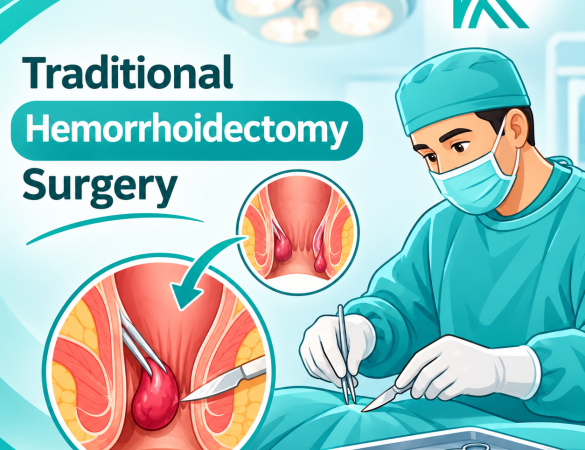
- Surgical removal – This is the best option for advanced or chronic cases.
- Laser treatment – Used to remove hair and prevent cyst recurrence.
Hemorrhoid and Anal Disease Clinics in Dubai – Dr. Khaldoun Ghareb
In Dubai, Hemorrhoid and Anal Disease Clinics in Dubai – Dr. Khaldoun Ghareb provide the latest treatments for various anal conditions, including pilonidal cysts. Dr. Khaldoun Ghareb uses advanced medical techniques to ensure the best results. His approach includes modern methods like laser treatment and minimally invasive surgery, helping to reduce pain and speed up recovery.
With extensive experience, Dr. Khaldoun Ghareb offers high-quality medical care focused on patient comfort. His treatments rely on state-of-the-art medical technology for optimal outcomes.
For more details about Hemorrhoid and Anal Disease Clinics in Dubai – Dr. Khaldoun Ghareb, visit the official website or follow the clinic’s channel on YouTube. Additionally, those interested in valuable health tips from Dr. Khaldoun Ghareb can follow him on TikTok.
Conclusion
Symptoms of an anal pilonidal cyst should not be ignored, as they may lead to severe complications if left untreated. Maintaining proper hygiene, avoiding risk factors, and consulting a doctor when symptoms appear help prevent this condition and promote better health.