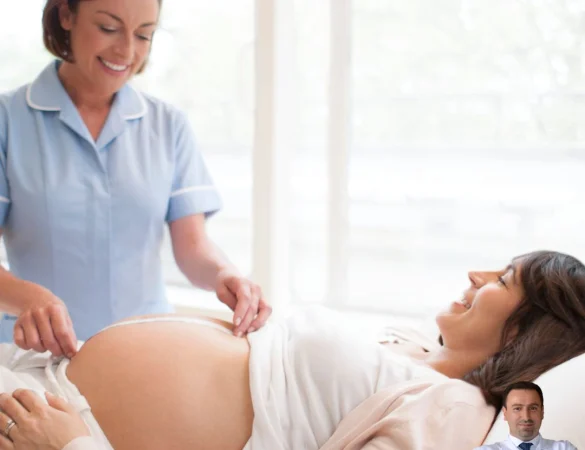


Many women experience hemorrhoids after childbirth, a common complication associated with pregnancy and natural delivery. In many cases, this issue can persist after delivery, causing pain, discomfort while sitting, and difficulty during bowel movements. Therefore, understanding the causes of postpartum hemorrhoids, how to prevent them, and the available treatment options becomes essential—especially with specialized clinics now offering advanced and effective solutions.
What Are Hemorrhoids and Why Do They Appear After Delivery?
Hemorrhoids refer to an abnormal swelling or enlargement of veins surrounding the anus or lower rectum. This condition occurs when blood flow from the anal veins becomes restricted, leading to blood accumulation and vein dilation.
During pregnancy, the body undergoes hormonal and physical changes. The uterus gradually expands, placing pressure on the intestines and major pelvic veins. This compression slows down venous return and increases the risk of hemorrhoid formation.
After delivery, especially in cases of natural birth, strong pushing during labor may worsen existing hemorrhoids or cause new ones to appear. That’s why hemorrhoids after childbirth are considered common and require medical attention when necessary.
Factors That Increase the Risk of Hemorrhoids After Delivery
-
Frequent constipation during pregnancy is common due to hormonal changes and slowed intestinal movement. Straining during bowel movements weakens anal vein walls.
-
Excessive weight gain throughout pregnancy increases pressure on pelvic veins and heightens the chance of vascular tension.
-
Lack of physical activity slows circulation and promotes fluid retention in the lower body.
-
Multiple deliveries place repeated stress on the same tissues, making them more susceptible to damage.
That’s why pregnant women should start caring for their health early on to minimize these risks.
How to Prevent Hemorrhoids After Childbirth
-
Eat a fiber-rich diet including vegetables, fruits, and whole grains to soften stool and prevent constipation.
-
Drink plenty of water daily to support healthy bowel movements.
-
Engage in light exercises like walking—after consulting a doctor—to improve circulation and reduce pelvic pressure.
-
Avoid sitting for long periods, especially on hard surfaces; using a circular pillow can help.
-
Don’t delay bowel movements or strain, to avoid additional pressure on the anal area.
Best Ways to Treat Hemorrhoids After Childbirth
Managing postpartum hemorrhoids depends on their severity. Here are the main treatment options:
Simple Home Remedies
-
Apply anti-inflammatory or itch-relief topical creams to ease pain and swelling effectively.
Warm Sitz Baths
-
Soaking the anal area in warm water helps soothe tissues and enhance blood flow.
Non-Surgical Treatments
-
If symptoms persist, procedures like injection therapy or rubber band ligation may be recommended. These are done in clinics and require no general anesthesia or long recovery.
Surgical or Laser Treatment
-
In advanced cases, doctors may suggest minimally invasive surgery or laser removal, both of which are safe and efficient.
Regular Medical Follow-up
-
It’s important to monitor the condition with a healthcare provider. Avoid unreliable home remedies, as they may worsen the issue.
Hemorrhoid and Proctology Clinics in Dubai – Dr. Khaldoun Ghareb
If symptoms persist or worsen, it’s advisable to visit a specialized clinic. One of the most trusted options in the region is the hemorrhoid and proctology clinics in Dubai, led by Dr. Khaldoun Ghareb. These clinics offer comprehensive care for women suffering from hemorrhoids after childbirth.
They employ modern techniques, such as laser and radiofrequency treatments, which help reduce pain and recovery time. Dr. Khaldoun Ghareb is highly experienced and skillful in diagnosing and treating hemorrhoids. His approach combines personalized care with emotional support, ensuring a complete and humane experience.
To learn more about the hemorrhoid and proctology clinics in Dubai, Dr. Khaldoun Ghareb, you can visit the official website or check out the clinic’s channel on YouTube.
Those who wish to hear practical advice directly from Dr. Ghareb can also follow him on TikTok.
When Should You See a Doctor After Delivery?
Most women feel some discomfort in the anal area after giving birth, and many assume it’s normal. However, some warning signs must not be ignored.
If symptoms like pain, swelling, or itching persist for more than two weeks, or if there’s recurrent rectal bleeding, medical attention is crucial.
Severe pain during sitting or bowel movements may indicate advanced external hemorrhoids or thrombosed hemorrhoids. Delaying treatment increases the risk of complications like infection or vein obstruction, making recovery more difficult.
Early diagnosis allows for quicker, less invasive treatment options. That’s why it’s always better to consult a doctor once alarming symptoms appear.
Conclusion
In conclusion, experiencing hemorrhoids after childbirth does not mean the end of comfort or normal life. With awareness, prevention, and early diagnosis, this problem can be managed easily. Moreover, consulting specialists like Dr. Khaldoun Ghareb increases the chances of successful and safe treatment.