

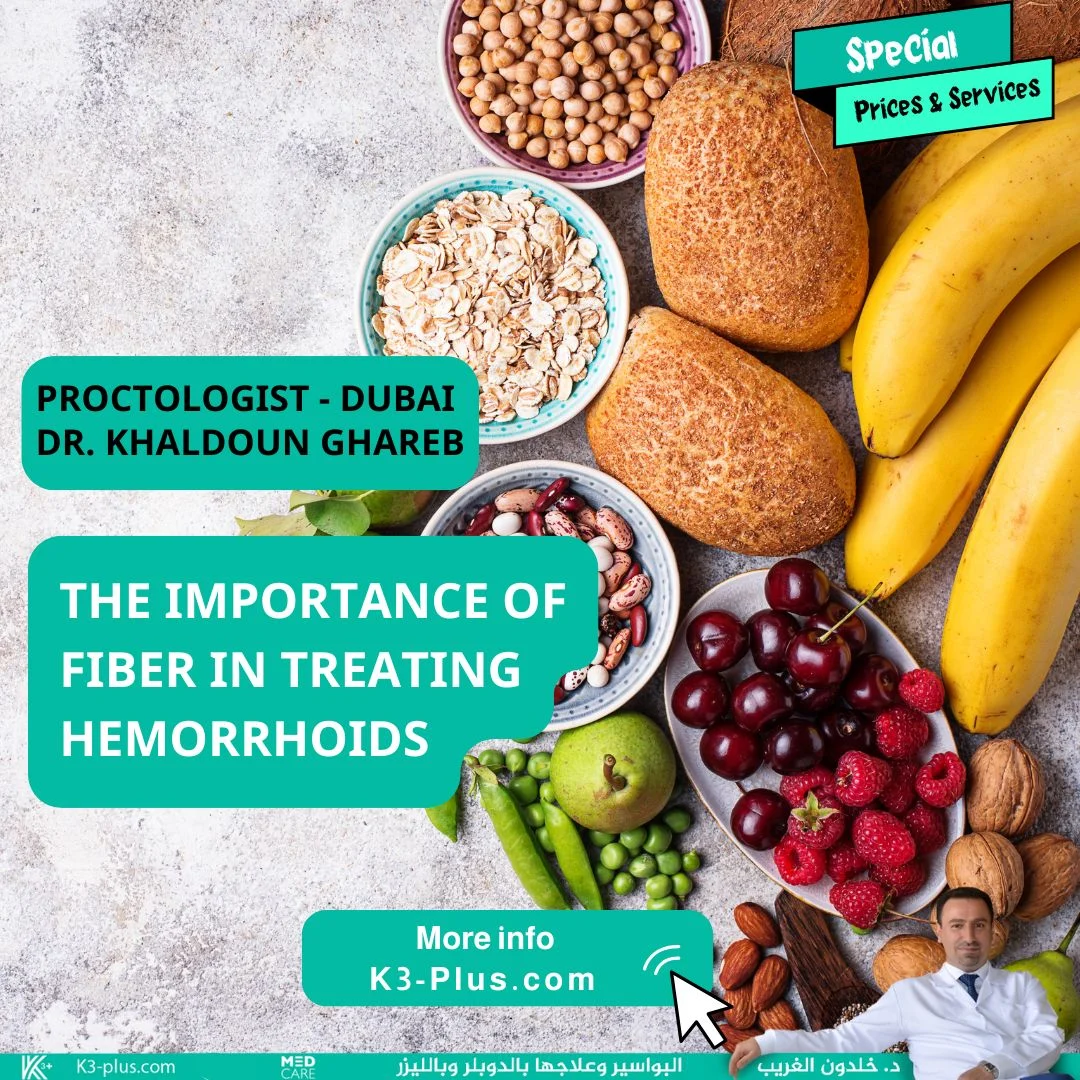
The importance of fiber in treating hemorrhoids represents a key topic that both doctors and patients focus on carefully. First, fiber helps ease bowel movements and prevents constipation, which is a primary factor in reducing pressure on the anal veins. Additionally, consuming fiber-rich foods such as fruits, vegetables, and whole grains improves overall digestive health. Fiber also increases stool bulk and makes bowel movements smoother, which reduces pain and bleeding during defecation. Moreover, adhering to a high-fiber diet prevents hemorrhoid progression and avoids other complications. Consequently, patients experience greater comfort and higher effectiveness from supportive treatments. Therefore, many people understand the necessity of integrating fiber into a daily hemorrhoid treatment plan, as it forms a cornerstone of both preventive and therapeutic strategies.
Benefits of Fiber in Enhancing Bowel Movements
Fiber plays a vital role in improving bowel movements. First, it increases stool volume and softens it, facilitating waste passage without straining the anal veins. Additionally, fiber regulates digestion speed and reduces intestinal cramps. It also helps relieve recurring pressure in the anal area, a key factor in minimizing hemorrhoid-related pain and bleeding. Furthermore, fiber supports metabolic processes and enhances overall digestive efficiency. Therefore, doctors recommend including fiber-rich foods daily while drinking enough water to maximize their effects. Through consistent adherence, patients experience relief and reduce dependence on chemical laxatives. With these benefits, fiber becomes an essential component for patients seeking long-term digestive comfort and hemorrhoid management.
The Importance of Fiber in Treating Hemorrhoids and Its Role in Prevention
Medical studies emphasize that the importance of fiber in treating hemorrhoids extends beyond symptom relief. Fiber prevents chronic constipation, which can worsen swollen veins. Additionally, fiber reduces straining during bowel movements, lowering the risk of bleeding and swelling. Patients notice significant improvement in daily comfort when they follow a high-fiber diet. Moreover, fiber promotes overall intestinal health, which positively impacts the prevention of chronic hemorrhoids. For this reason, doctors strongly recommend incorporating fiber into a daily diet and combining it with other healthy habits to ensure effective treatment and long-term prevention. By following these guidelines, patients achieve better outcomes while maintaining digestive health.
Fiber-Rich Foods Beneficial for Hemorrhoids
Many foods provide fiber that can be easily incorporated into a daily diet. First, leafy vegetables such as spinach and kale offer excellent sources of soluble and insoluble fiber. Additionally, fruits like apples, pears, and berries contain high levels of natural fiber. Whole grains such as oats and brown rice supply substantial fiber, aiding smoother bowel movements. Legumes like lentils and beans further enhance fiber intake. By varying these sources, patients can improve intestinal health more quickly and reduce hemorrhoid symptoms. Consequently, including a wide range of fiber-rich foods supports both preventive and therapeutic goals, making dietary management a practical and effective solution.
Dr. Khaldoun Ghareb Clinics for Hemorrhoids and Anal Disorders in Dubai
Dr. Khaldoun Ghareb at the Clinics for Hemorrhoids and Anal Disorders in Dubai emphasizes the importance of fiber in treating hemorrhoids as a central part of a comprehensive treatment plan. He uses the latest advanced therapies, including non-surgical treatments, state-of-the-art laser procedures, and endoscopic evaluations to accurately assess cases, ensuring minimal pain and faster recovery. Dr. Ghareb possesses more than 22 years of extensive experience in managing all types of anal disorders and has performed hundreds of successful hemorrhoid and fistula procedures without conventional surgery. Furthermore, he holds qualifications from leading international universities, which enhance the quality of patient care. Direct communication with Dr. Ghareb is easy, allowing patients to receive personal consultations and daily guidance to ensure comfort and adherence to health instructions. This approach enables rapid, tangible improvement while instilling confidence and reassurance in patients during treatment.
For more information about Dr. Khaldoun Ghareb Clinics for Hemorrhoids and Anal Disorders in Dubai, you can visit the clinic’s YouTube channel or the official website. Those who wish to follow Dr. Ghareb’s practical advice can also access his tips on TikTok.
Practical Tips for Maintaining a High-Fiber Diet
Patients can follow practical steps to fully benefit from dietary fiber. First, they should eat five meals daily containing diverse vegetables and fruits. Additionally, drinking at least eight glasses of water enhances fiber effectiveness. Incorporating whole grains and legumes into main meals ensures adequate fiber intake. When necessary, patients may use fiber supplements under medical supervision to prevent deficiencies. By following these practices, constipation is minimized, hemorrhoid symptoms improve significantly, and patients maintain daily comfort while preventing condition worsening. Consistent adherence to a fiber-rich diet forms a cornerstone of effective hemorrhoid management.
Conclusion
In conclusion, the importance of fiber in treating hemorrhoids represents a fundamental pillar in both treatment and prevention. Fiber facilitates bowel movements, reduces constipation, and relieves pressure on anal veins. It also prevents worsening hemorrhoids and chronic complications that negatively impact quality of life. Moreover, doctors stress incorporating fiber into a balanced diet alongside medical guidance and regular follow-ups. By doing so, patients experience comfort, confidence, and long-term results that improve overall health and daily wellbeing. Adhering to dietary recommendations and healthy habits related to fiber ensures more effective treatment and reduces the likelihood of future relapses.