


The relationship between genetic factors and hemorrhoids often raises questions, especially when several members of the same family experience the condition. However, genetics does not mean that a person will inevitably develop hemorrhoids. Instead, some inherited characteristics may increase susceptibility. For example, differences in connective tissue strength or vascular structure may influence how tissues respond to pressure. At the same time, lifestyle remains highly important. Therefore, someone with a family history may reduce several risk factors through preventive habits. Conversely, hemorrhoids can also occur without a clear family history because of constipation, repeated straining, or other contributing factors. Understanding both genetic susceptibility and modifiable risks can therefore help people make better decisions about prevention, diagnosis, and treatment.
What Is the Link Between Genetic Factors and Hemorrhoids?
Hemorrhoids are not generally inherited through a simple pattern in which parents directly pass the condition to their children. Nevertheless, families may share physical characteristics that influence susceptibility. For example, inherited differences in connective tissues may affect the structures that support blood vessels around the anal canal. In addition, family members often share dietary habits and similar lifestyles. Therefore, separating genetic influences from environmental factors can sometimes be difficult. A doctor may consider family history during an assessment, but it represents only one part of the clinical picture. Other important factors include constipation, bowel habits, physical activity, body weight, and symptoms. Consequently, a comprehensive assessment provides more useful information than family history alone when determining the possible causes and appropriate management of hemorrhoids.
How Can Genetics Influence Hemorrhoid Risk?
Inherited characteristics may indirectly influence tissues and blood vessels around the rectal and anal regions. However, family history alone cannot predict who will develop hemorrhoids. In many cases, several factors interact before symptoms appear. For instance, a person may have an underlying familial susceptibility and also experience chronic constipation. Repeated straining may then increase pressure in the anal region. Similarly, excess body weight, prolonged sitting, and low physical activity can contribute to additional pressure. Therefore, people should not consider hereditary susceptibility an unavoidable outcome. Instead, they can focus on risk factors that they can modify. Improving bowel habits, diet, hydration, and physical activity may reduce important triggers, even when hemorrhoids occur frequently among family members.
Genetic Factors and Hemorrhoids: The Role of Family History
Family history can provide useful information during a medical assessment, although it cannot establish a diagnosis by itself. A physician may ask whether parents or siblings have experienced similar problems. In addition, the doctor will evaluate the duration and severity of symptoms. Bleeding, itching, discomfort, swelling, or anal protrusion may provide important diagnostic clues. However, a person should never assume that rectal bleeding automatically results from hemorrhoids simply because the condition runs in the family. Other medical conditions can cause similar symptoms and may require evaluation. Therefore, persistent or recurrent symptoms deserve proper medical assessment. Once the doctor identifies the cause and severity, treatment can focus on the patient’s individual condition rather than family history alone.
What Factors Can Increase the Risk of Hemorrhoids?
Even when someone has a familial predisposition, several acquired factors can contribute to hemorrhoid development or worsening symptoms. Therefore, modifying daily habits may reduce important triggers. Furthermore, understanding these factors helps people avoid behaviors that increase pressure on the anal veins. Common contributing factors include:
- Chronic constipation and repeated straining.
- Spending excessive time on the toilet.
- Low levels of physical activity.
- Inadequate dietary fiber intake.
- Excess body weight.
- Pregnancy and increased pelvic pressure.
- Recurrent diarrhea or irregular bowel habits.
- Heavy lifting that repeatedly increases abdominal pressure.
Consequently, managing these factors remains important regardless of whether a person has a known family history of hemorrhoids.
Genetic Factors and Hemorrhoids: Is Prevention Still Possible?
Yes. People can reduce many hemorrhoid-related triggers even when the condition occurs frequently within their family. First, dietary fiber can support regular bowel movements. Adequate fluid intake also helps maintain softer stools. In addition, regular movement can reduce prolonged periods of sitting. People should also avoid excessive straining during bowel movements and unnecessary time on the toilet. Furthermore, addressing recurrent constipation early may prevent prolonged pressure on the anal region. If symptoms such as persistent bleeding or pain appear, medical evaluation becomes important. Therefore, although people cannot change their genetic characteristics, they can modify many daily factors associated with hemorrhoid symptoms and recurrence.
Do Symptoms Differ in People With a Family History?
Having relatives with hemorrhoids does not necessarily change the symptoms a person experiences. Instead, symptoms usually depend on the location, severity, and type of hemorrhoids. Some people notice bleeding during bowel movements, while others experience itching, discomfort, swelling, or an external lump. Internal and external hemorrhoids can also produce different symptoms. Therefore, patients cannot determine the exact type or severity simply from their family history. Moreover, several anal and gastrointestinal conditions can cause symptoms that resemble hemorrhoids. Medical assessment can help identify the actual cause and determine whether further investigation is necessary. As a result, early evaluation can prevent people from repeatedly using home treatments for symptoms that may require a different approach.
Genetic Factors and Hemorrhoids: Why Early Diagnosis Matters
Early diagnosis allows a physician to identify the cause and severity of symptoms before selecting treatment. Initially, the doctor may review medical history, family history, and bowel habits. The physician can then perform an appropriate examination based on the patient’s symptoms. Conservative measures may be sufficient for suitable cases. However, persistent or advanced hemorrhoids may require specialized procedures. Importantly, genetics alone does not determine treatment. Instead, physicians consider hemorrhoid grade, symptom severity, bleeding, previous treatments, and individual health factors. Early assessment can also help exclude other causes of rectal symptoms. Consequently, patients can receive a more targeted treatment plan instead of experimenting with different remedies without a confirmed diagnosis.
How Do Doctors Choose the Appropriate Hemorrhoid Treatment?
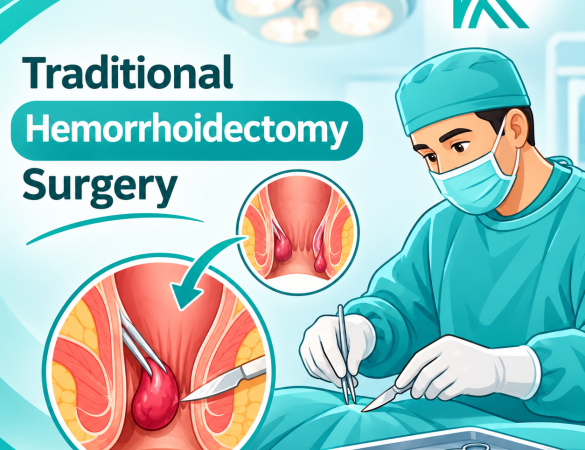
Treatment selection begins with an assessment of hemorrhoid type, grade, symptoms, and their impact on the patient’s daily life. Not every patient requires a procedure or surgery. In suitable cases, doctors may recommend dietary fiber, adequate hydration, improved bowel habits, and symptom-relieving treatments. However, persistent or advanced cases may require additional medical procedures. Depending on the diagnosis, modern options can include minimally invasive techniques or surgical intervention in selected situations. Doctors should also discuss the potential benefits and limitations of each option. In addition, other medical conditions and medications may influence treatment decisions. Therefore, modern hemorrhoid management focuses on individualized care rather than applying the same treatment to every patient.
When Should You See a Doctor?
Medical evaluation is advisable when rectal bleeding persists or repeatedly returns, even when hemorrhoids appear to be the likely explanation. Severe pain or significant swelling also deserves professional assessment. Likewise, unusual changes in bowel habits or symptoms that continue despite dietary and lifestyle modifications require attention. A family history does not confirm that current symptoms result from hemorrhoids. Therefore, a clinical assessment helps distinguish hemorrhoids from other possible causes. Once the diagnosis is clear, the physician can select treatment according to the condition’s severity and symptoms. Early evaluation can also reduce reliance on self-diagnosis and inappropriate treatments, while helping patients understand the preventive measures that may reduce future episodes.
Hemorrhoid and Anal Disease Treatment With Dr. Khaldoun Ghareb in Dubai
Patients concerned about familial susceptibility to hemorrhoids benefit from an accurate diagnosis before choosing a treatment. Dr. Khaldoun Ghareb in Dubai specializes in colorectal and anal conditions, including hemorrhoids and fistulas. Published professional profiles report more than 22 years of experience and thousands of procedures for anal conditions. His treatment options include modern techniques such as Doppler-guided and THD procedures for hemorrhoids, VAAFT for anal fistulas, EPSiT for pilonidal sinus disease, as well as laser, endoscopic techniques, and Botox when clinically appropriate. Several of these approaches provide alternatives to conventional surgery for selected patients. Patients can also contact the doctor and request appointments through available communication and booking channels. Ultimately, specialist assessment allows the treatment technique to match the diagnosis, disease severity, and individual patient needs rather than selecting a procedure before examination.
Moreover, modern technologies play a major role in advancing the level of treatment in these clinics. The clinics rely on Doppler technology to accurately identify blood vessels, which helps improve treatment outcomes. In addition, the VAAFT technique provides effective solutions for fistula treatment using advanced, minimally invasive methods. Furthermore, laser therapy helps reduce pain and speeds up the healing process. On the other hand, endoscopy supports precise diagnosis, while catheter-based techniques enable safe and targeted procedures. Therefore, these technologies ensure better results with shorter recovery time, giving patients a comfortable and effective treatment experience.
For more information about Hemorrhoid and Proctology Clinics in Dubai – Dr. Khaldoun Ghareb, you can visit the clinic’s channel on YouTube or the official website. Additionally, those who wish to hear useful tips from Dr. Khaldoun Ghareb can follow his account on TikTok.
Conclusion
In conclusion, the relationship between heredity and hemorrhoids suggests that family susceptibility may contribute to risk, but it does not determine a person’s health outcome by itself. Physical characteristics can interact with constipation, diet, physical activity, body weight, bowel habits, and other factors. Therefore, prevention remains valuable even when several family members have experienced hemorrhoids. Increasing dietary fiber, maintaining adequate hydration, staying physically active, and avoiding excessive straining can reduce important triggers. At the same time, persistent bleeding, ongoing pain, or recurrent symptoms require medical evaluation rather than self-diagnosis. Most importantly, physicians select treatment according to hemorrhoid type, grade, symptoms, and individual clinical circumstances rather than family history alone. Effective management therefore combines prevention, accurate diagnosis, and individualized treatment.